
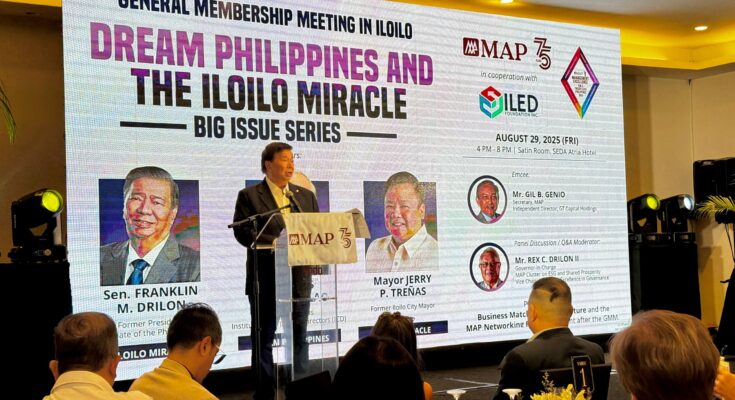
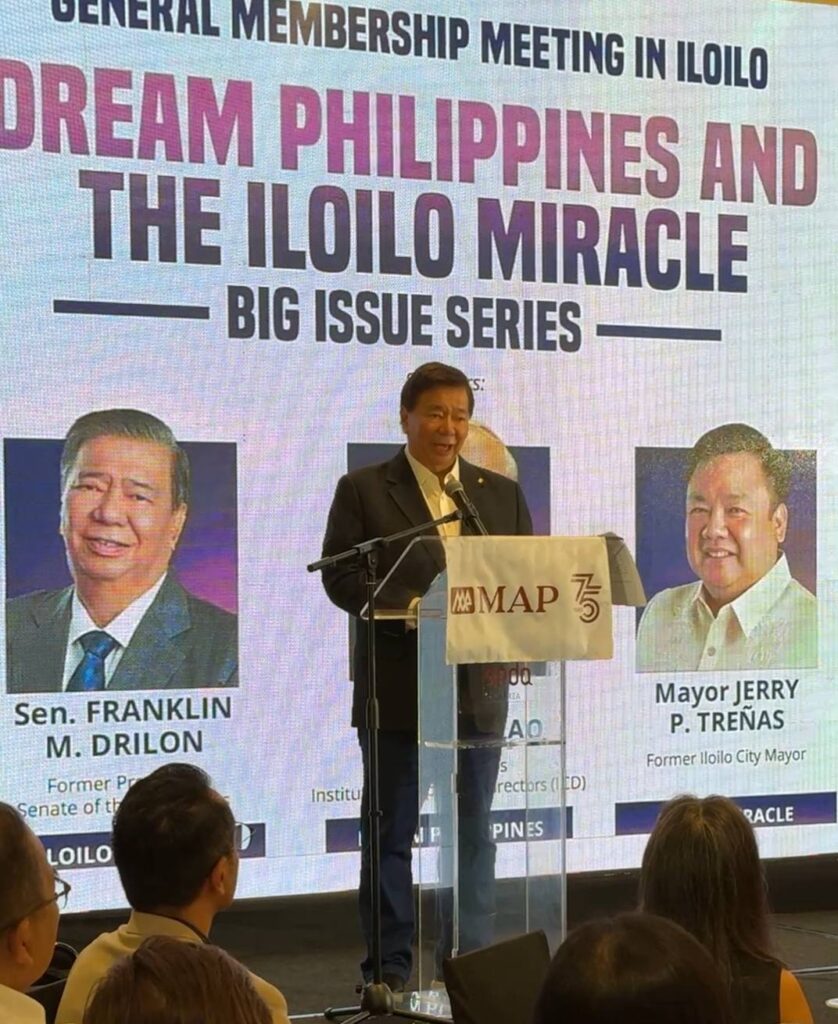
Former Senate President Franklin M. Drilon returned to his hometown on Friday, August 29, to deliver a Special Address at the Management Association of the Philippines (MAP) General Membership Meeting at Seda Atria. Themed “The Iloilo Miracle and Dream Philippines,” the event placed a spotlight on Iloilo’s dramatic transformation into a model city for governance, infrastructure, and inclusive growth.
Building the Foundations
Drilon recalled that Iloilo’s resurgence began with bold investments in infrastructure. By realigning idle national funds, he pushed for the widening of Diversion Road into what is now the 10-lane Sen. Benigno Aquino Jr. Avenue, and the construction of the 15-kilometer President Corazon Aquino Avenue to open new growth areas.
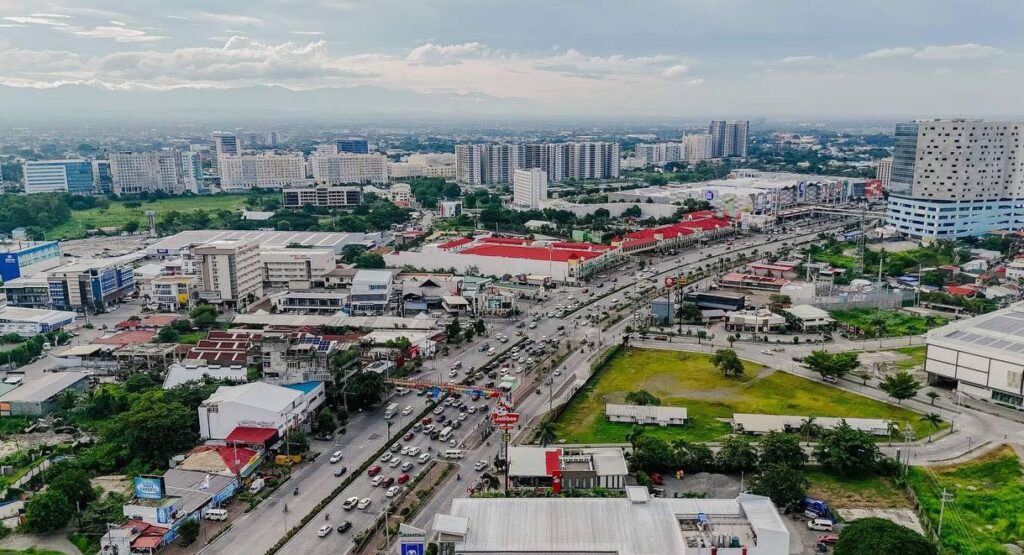
Anchoring this road network was the completion of the Iloilo International Airport in 2005, which became the gateway to Western Visayas and laid the groundwork for increased business and tourism activity.
From Airport to Township
A turning point came when Megaworld acquired the old Mandurriao Airport property. With road access in place, Drilon and local leaders convinced Megaworld chairman Dr. Andrew Tan to pursue full-scale development. The result was the Iloilo Business Park, now a bustling township of BPOs, hotels, retail centers, and the Iloilo Convention Center (ICON).
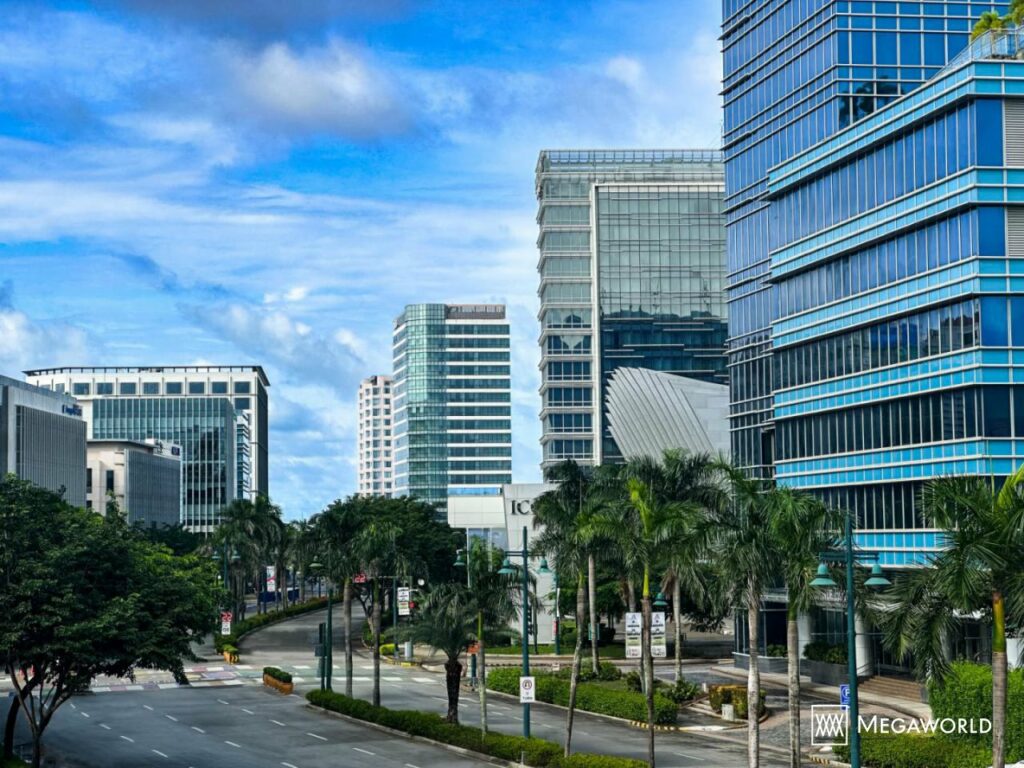
Drilon secured ₱750 million in funding for ICON and partnered with Megaworld, which donated 1.7 hectares of land. Since its inauguration in 2015, ICON has positioned Iloilo as a hub for conventions and trade fairs.
Reviving the Iloilo River
Drilon also championed the Iloilo River Esplanade, now the country’s longest linear park stretching over 15 kilometers. Through strong political will, informal settlers and illegal structures were relocated, reviving what was once a “dead” river into a vibrant ecological and cultural landmark.
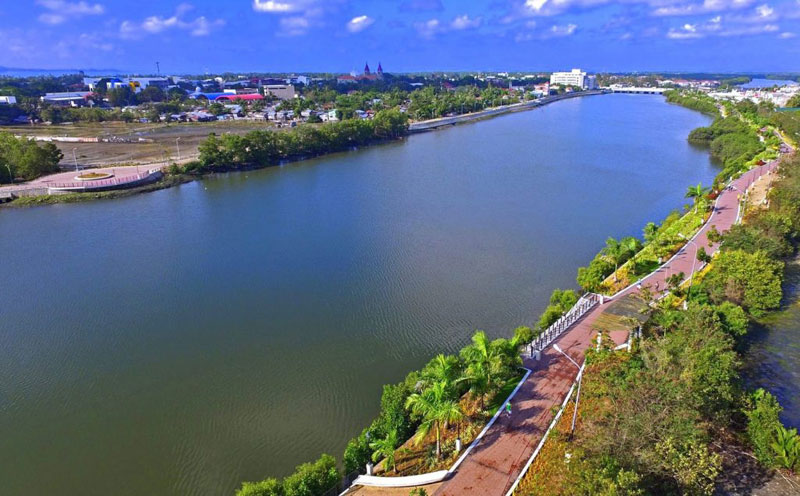
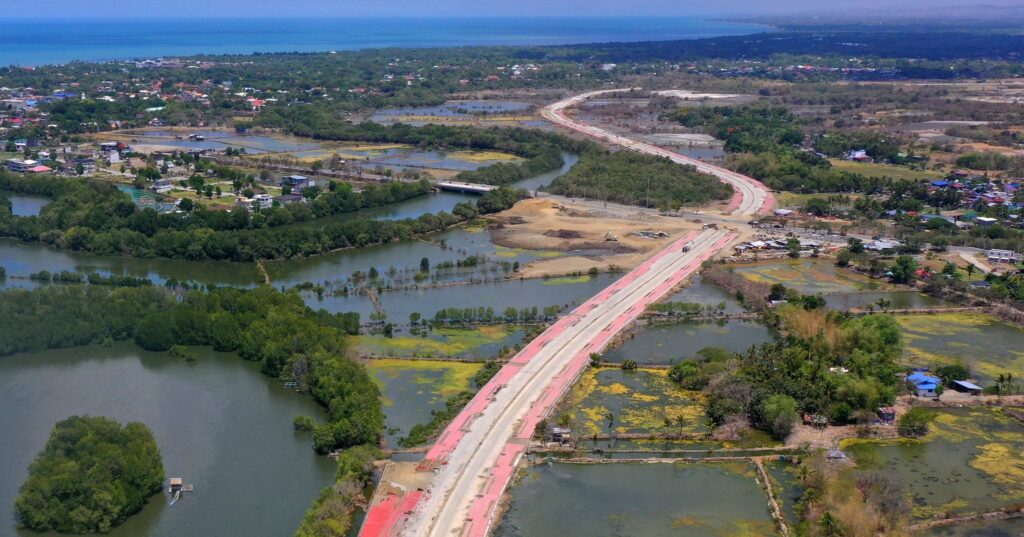
Complementing this achievement is the recently completed ₱1-billion Iloilo Sunset Boulevard — a 7-kilometer, four-lane coastal highway stretching from Mandurriao, Iloilo City, to the municipality of Oton. The project integrates a linear park, esplanade, and dedicated bike lane, transforming the waterfront into a dynamic public space.
Today, residents and visitors alike enjoy the boulevard not only as a major traffic artery but also as a recreational haven, offering a breathtaking view of the Iloilo River and its famous sunsets.
Securing the Future
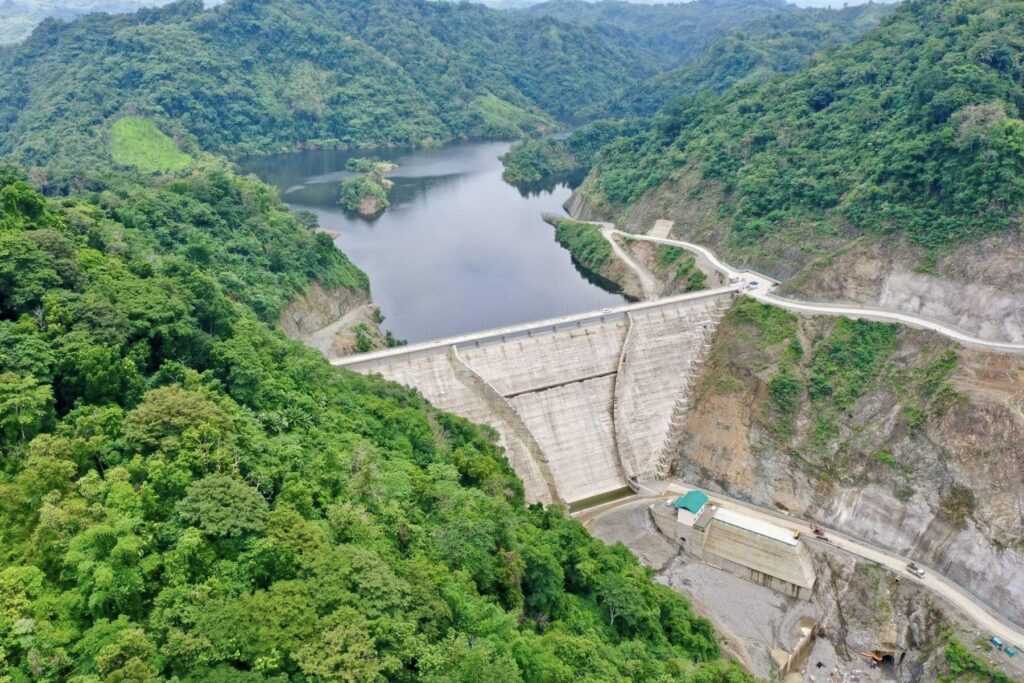
Beyond the city, Drilon pushed for the ₱19-billion Jalaur River Multipurpose Project II in Calinog, Iloilo — the first and largest reservoir outside Luzon. Once completed, it will irrigate 32,000 hectares of farmland, triple rice production, and guarantee water security for Western Visayas.
A Shared Legacy
Drilon credited Iloilo’s transformation to partnerships with both the private sector and fellow Ilonggos. He cited contributions from national business leaders including Andrew Tan, Ayala Land, Injap Sia, Henry Sy family, Enrique Razon, the Gokongwei group, Manny Pangilinan, and Ramon del Rosario.
“In Iloilo, we have shown that change is possible when we put our collective interest before individual interest,” Drilon told MAP members. “The story of Iloilo is not just the story of the Ilonggos. It is the story of Filipinos—a people determined to reach new heights of economic and social success.”
From Iloilo Miracle to Dream Philippines
Closing his address, Drilon urged business leaders to see Iloilo as proof of what visionary leadership and collaboration can achieve.
“We made things happen and we saw a dream come to life. If it can be done in Iloilo, it can be done anywhere else in the archipelago.”




One Comment on “The Iloilo Miracle: A Legacy of Franklin Drilon”