Iloilo City has been officially recognized as a Role Model City for ecosystem restoration and nature-based solutions under the Generation Restoration Initiative (2023–2025) of the United Nations Environment Programme (UNEP) and the ICLEI Cities Biodiversity Center, contributing to the United Nations Decade on Ecosystem Restoration (2021–2030).
The recognition was formally conferred through a Certificate of Recognition presented to the City of Iloilo, Philippines, citing the city’s successful track record in implementing nature-based solutions (NbS) in urban spaces.
Cities at the Center of Restoration
The recognition is part of the global framework “Generation Restoration Cities: Catalysing a nature-based transformation in finance, jobs and cities,” which emphasizes that while cities occupy less than one percent of the Earth’s land surface, they host more than half of the global population and significantly influence the state of ecosystems.
UNEP underscores that cities, despite being dominated by concrete and infrastructure, remain living ecosystems. Properly managed urban ecosystems help improve air and water quality, reduce urban heat, protect communities from climate hazards, and enhance public well-being. However, rapid and unplanned urbanization continues to degrade natural ecosystems, making nature-based solutions vital to sustainable urban development.
Through the Generation Restoration Project (2023–2025), UNEP aims to address political, technical, and financial barriers to ecosystem restoration, particularly in urban areas, in support of the Global Biodiversity Framework.
Iloilo City’s Proven Track Record
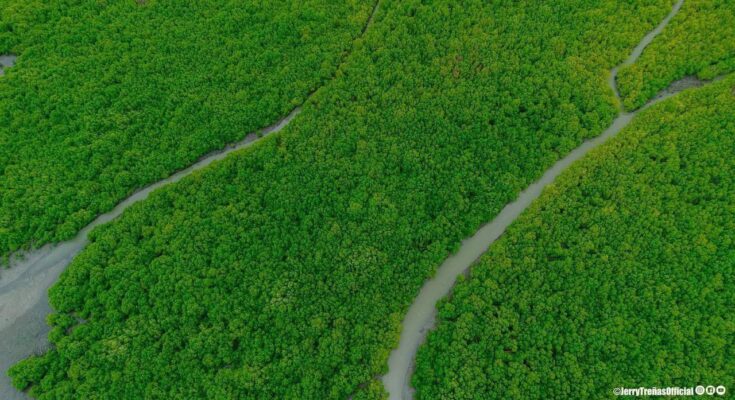
According to UNEP, Iloilo City has been “at the forefront of ecosystem restoration for several years,” particularly in the management of coastal and river ecosystems and the protection and rehabilitation of mangrove forests.
These initiatives were instrumental in Iloilo’s inclusion among only 11 Role Model Cities worldwide, alongside cities such as Cape Town, Paris, Toronto, Seattle, Glasgow, and Istanbul.
Former Mayor Jerry P. Treñas, whose message was published in the official UNEP Role Model Cities list, highlighted concrete results of Iloilo’s environmental programs.
“I’m always proud to share our city’s sustainability journey and good practices with other cities and localities. Our commitment to a greener future is evident with projects like the 3-hectare Iloilo Tree Park Development in Jaro district, set to sequester 33 tons of CO₂ yearly, and our vast mangrove forests that capture 29.4 metric tons of CO₂ annually. Together, we’re making a difference for our environment,” Treñas said.
Global Champions of Restoration
Iloilo City joins a select group of cities recognized for innovative and impactful restoration initiatives, including wetland rehabilitation, biodiversity protection, urban forest restoration, green infrastructure, and climate resilience programs.
The Certificate of Recognition was signed by Kobie Brand, Deputy Secretary General and Global Director of the ICLEI Cities Biodiversity Center, and Gulnara Roll, Head of Cities Unit of UNEP, underscoring the international weight of the honor.
From Local Action to Global Recognition
Mayor Raisa S. Treñas described the recognition as a reflection of strong local action translating into global impact.
“Mga pinalangga ko nga Ilonggo, ginkilala ang aton syudad sa international stage bilang Role Model City for ecosystem restoration kag nature-based solutions, isa ka dungog halin sa United Nations Environment Programme kag ICLEI,” Mayor Raisa said.
“Ini nga recognition nagapakita nga ang aton mga local initiatives are effective, sustainable, kag guided by a vision for a greener future. Gani, ululupod kita tanan sa pag-atipan sang aton palibot, humalin sa tagsa ka barangay kag sa bug-os nga siyudad, agud mapadayon naton ini nga global honor.”
With this international recognition, Iloilo City further strengthens its standing as a leader in urban sustainability, proving that consistent local action—rooted in community participation and long-term planning—can place a city on the global map of environmental stewardship.