Nuclear energy advocates renewed their push for the inclusion of nuclear power in the Philippines’ energy mix following President Ferdinand R. Marcos Jr.’s renewed commitment to the technology during his 2026 State of the Nation Address (SONA).
During his address before Congress, President Marcos said the government is prepared to revisit nuclear energy as part of its broader strategy to strengthen the country’s energy sector.
“To push the envelope further, perhaps it is time for us to revisit nuclear energy production. We are already using nuclear energy in the fields of medicine, agriculture, water filtration, and the upcycling of plastic,” Marcos said.
“We are confident in its capacity to reinforce our energy security and bring down the cost of electricity in our country,” he added.
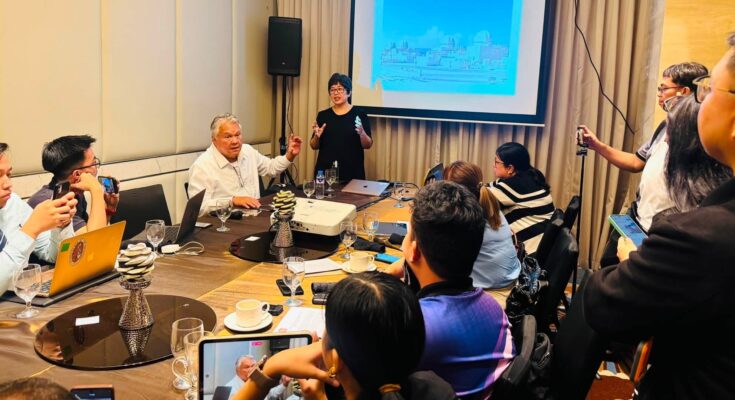
The President’s remarks were welcomed by Alpas Pinas during a media roundtable discussion with Iloilo media, where Lead Convenor Dr. Gayle Certeza and Pangasinan 2nd District Representative Mark Cojuangco described the statement as a significant milestone in the country’s energy transition.
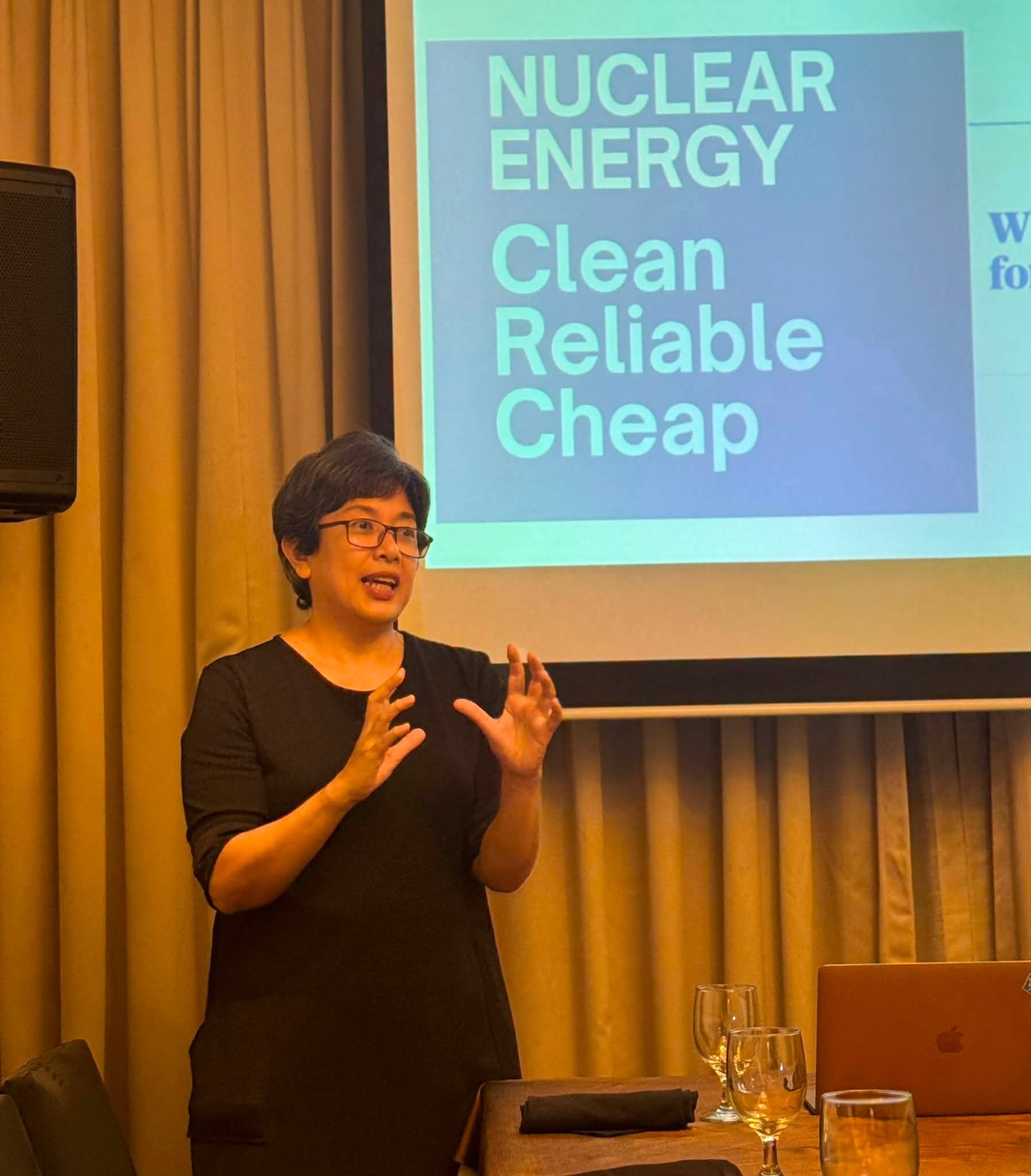
According to Certeza, President Marcos’ pronouncement is the strongest endorsement yet of nuclear energy under the current administration and signals that the technology is becoming an important policy option for addressing the country’s long-term energy needs.
“President Marcos’ pronouncement during the SONA represents a defining moment in the Philippines’ energy transition. It is the clearest signal yet that nuclear energy is no longer a distant possibility but an important policy option in addressing our country’s long-term energy needs.”
She said the national conversation should now move beyond policy statements and focus on concrete steps, including establishing a nuclear regulatory institution, investing in human capital, and equipping Filipinos with accurate, science-based information about nuclear energy.
High power costs fuel nuclear energy debate
President Marcos’ renewed push comes as the Philippines continues to grapple with rising electricity costs and growing demand for power.
According to the Department of Energy, the Philippines recorded the highest average residential electricity rate in Southeast Asia in June 2026 at ₱12.43 per kilowatt-hour (kWh), highlighting the country’s long-standing challenge of expensive electricity.
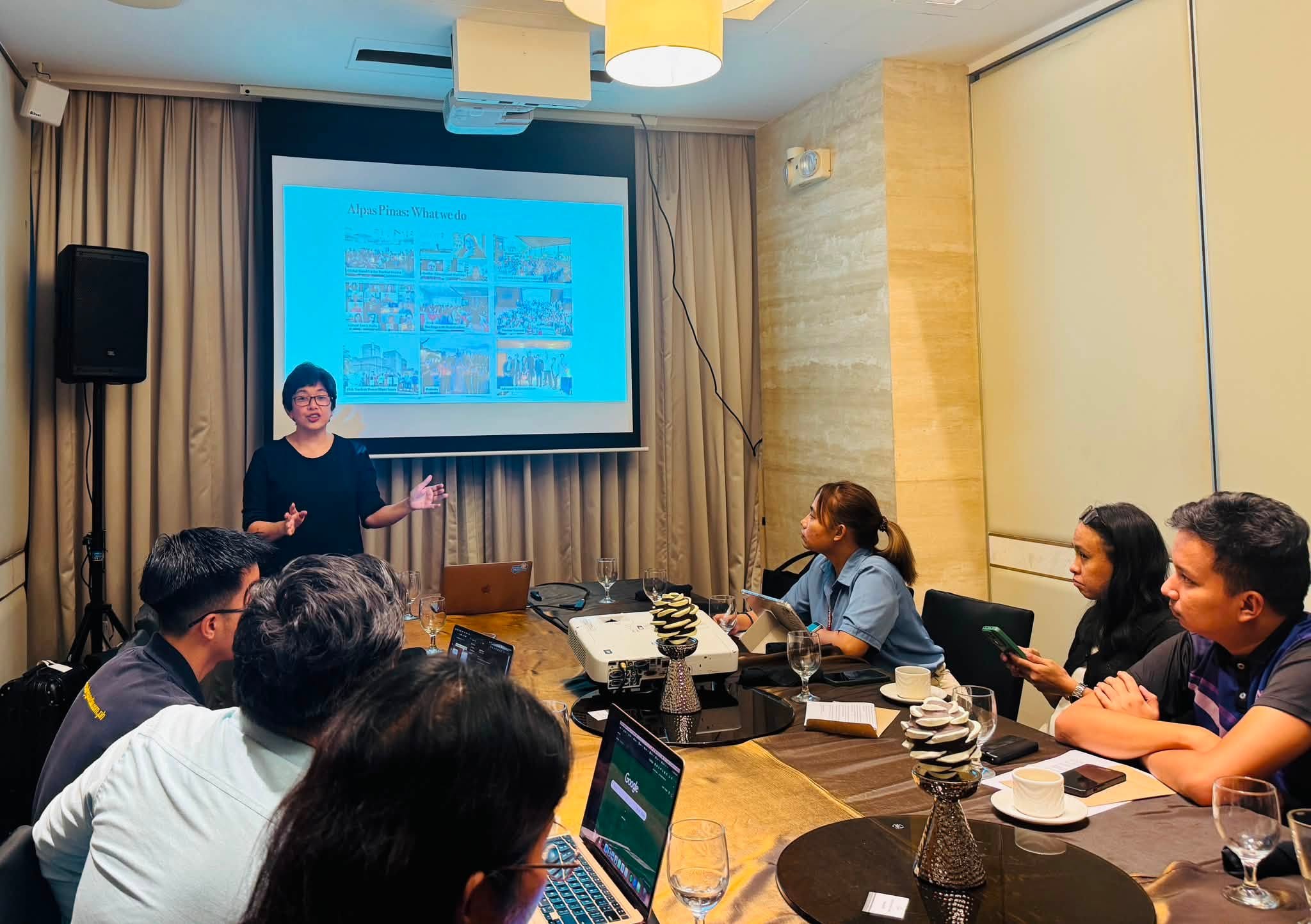
During the media roundtable, Certeza also presented figures showing that Filipinos pay significantly more for electricity than many neighboring Asian countries. Based on her presentation, electricity costs average around ₱13 per kWh in the Philippines, compared with approximately ₱3 per kWh in Malaysia, ₱4 in Vietnam, and ₱7 in South Korea. She said affordable electricity is essential to improving the country’s competitiveness and supporting economic growth.
Certeza also pointed to the country’s continued dependence on fossil fuels. Based on data presented during the forum, coal accounts for 58.3% of the Philippine energy mix, followed by natural gas at 16.5%, hydropower at 11%, geothermal at 8.2%, solar at 3.5%, biofuels at 1%, and wind at 0.9%.
She said the country’s reliance on coal and imported fuels exposes it to volatile global fuel prices and supply disruptions while contributing to higher electricity costs.
According to Certeza, nuclear energy could complement renewable energy by providing a reliable, low-carbon baseload source of electricity capable of operating around the clock regardless of weather conditions. She also emphasized its high energy density and relatively small land footprint compared with other power sources.
Addressing concerns about nuclear energy
A significant portion of the discussion focused on addressing public concerns surrounding nuclear energy, particularly on plant safety and radioactive waste management.
Certeza cited international studies and existing technologies, saying modern nuclear power plants have significantly improved safety standards. She also discussed current methods for storing and managing spent nuclear fuel, including dry cask storage and deep geological disposal, while stressing that these are subject to international monitoring and regulations.
She likewise highlighted the growing adoption of nuclear energy worldwide, noting that several countries continue to build new nuclear reactors. The presentation also pointed out that major technology companies such as Amazon, Google, Meta, and Microsoft are investing in nuclear-powered energy projects to meet the rapidly increasing electricity requirements of artificial intelligence and data centers.
Cojuangco pushes PhilAtom Bill
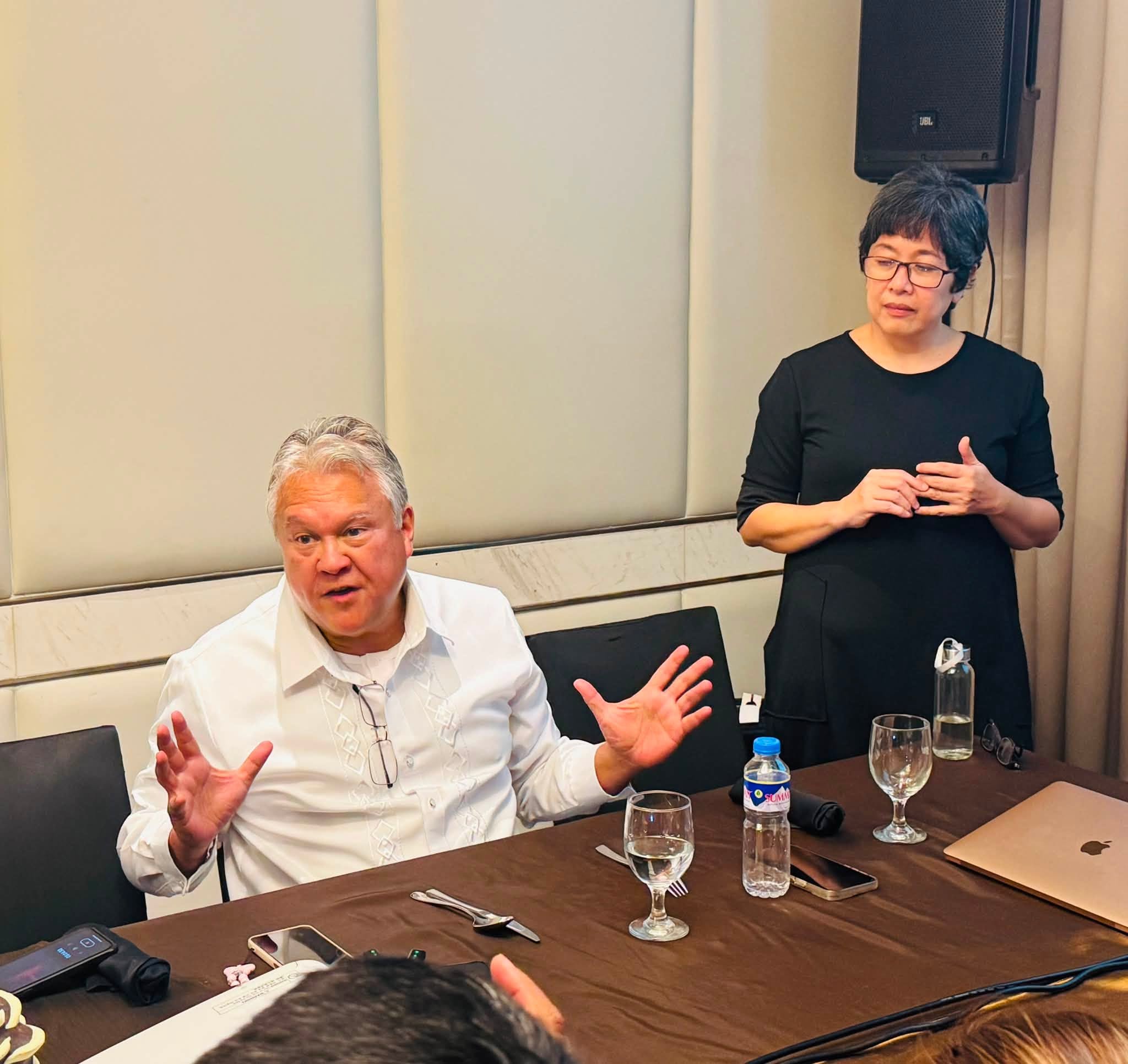
Cojuangco, one of the country’s foremost advocates for nuclear energy and principal author of House Bill No. 8567, or the PhilAtom Bill, said President Marcos’ SONA has moved nuclear energy from being merely a long-term aspiration to an immediate policy priority.
“For many years, discussions on nuclear energy remained largely technical and aspirational. The President’s SONA changes that. It firmly places nuclear energy within the country’s immediate-term development agenda.”
He expressed optimism that the President’s renewed support would help accelerate the passage of the proposed legislation, which seeks to establish incentives and a clear policy framework for integrating nuclear energy into the country’s electricity sector.
Cojuangco said reliable and affordable electricity is essential to supporting industrialization, attracting investments, and meeting the country’s growing power demand.
Advocates seek faster implementation
Alpas Pinas said the President’s SONA provides an opportunity to accelerate the country’s nuclear energy roadmap.
The group reiterated that while renewable energy will continue to play an important role in the country’s energy transition, it believes nuclear power can provide the stable, clean, and reliable electricity needed to meet future demand and improve the Philippines’ long-term energy security.
Alpas Pinas, a non-profit advocacy organization promoting nuclear energy in the Philippines, said it remains committed to supporting policies that would accelerate the country’s transition toward nuclear power as part of a diversified energy mix.