At Casa Javelona-Ledesma in Jaro, history does not feel distant.
It lives in the capiz windows, echoes through old wooden halls, and lingers in the photographs of Jaro Charity Fair Queens that still line the walls of the century-old ancestral home.
Last Saturday, guests of the Living Heritage Museum Tour – Spanish Era organized by MICE Iloilo City were given a rare opportunity to step inside the historic house and experience the elegance and stories of Iloilo’s golden years.
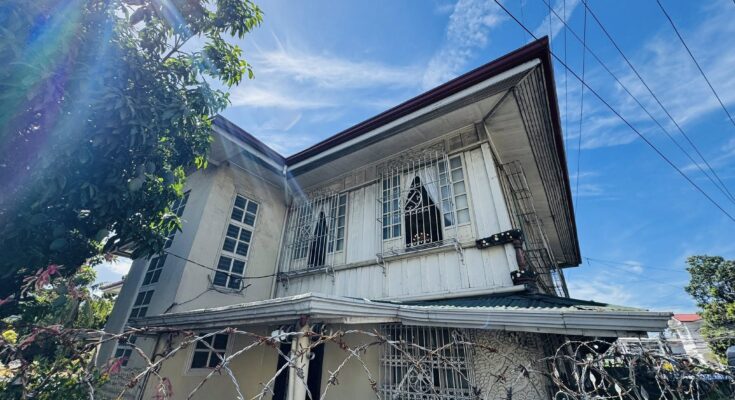
Located on Washington Street in Jaro, Casa Javelona-Ledesma — also known as the Loreto Ledesma Heritage House — stands as one of the enduring reminders of Iloilo’s rich cultural and social heritage during the Spanish and early American periods.
The ancestral house was built in the 1820s by Don Luis Villalobos Ledesma (1878-?) and was officially declared a Heritage House by the National Historical Commission of the Philippines (NHCP) pursuant to Board Resolution No. 14, s. 2022.
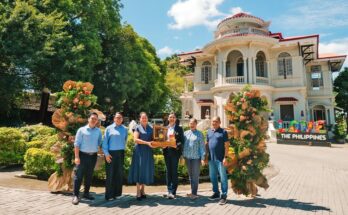
During the unveiling and turnover of the historical marker, NHCP OIC-Executive Director Carminda Arevalo presented the marker to Engr. Jose Alma Jose, a descendant of the original owner.
The NHCP recognized the house for its significant role in the religious and social history of Jaro, as well as for its architectural value as an example of arquitectura mestiza — a unique blend of Filipino, Spanish, and Chinese influences that reflects the evolution of Philippine domestic architecture during the 18th and 19th centuries.
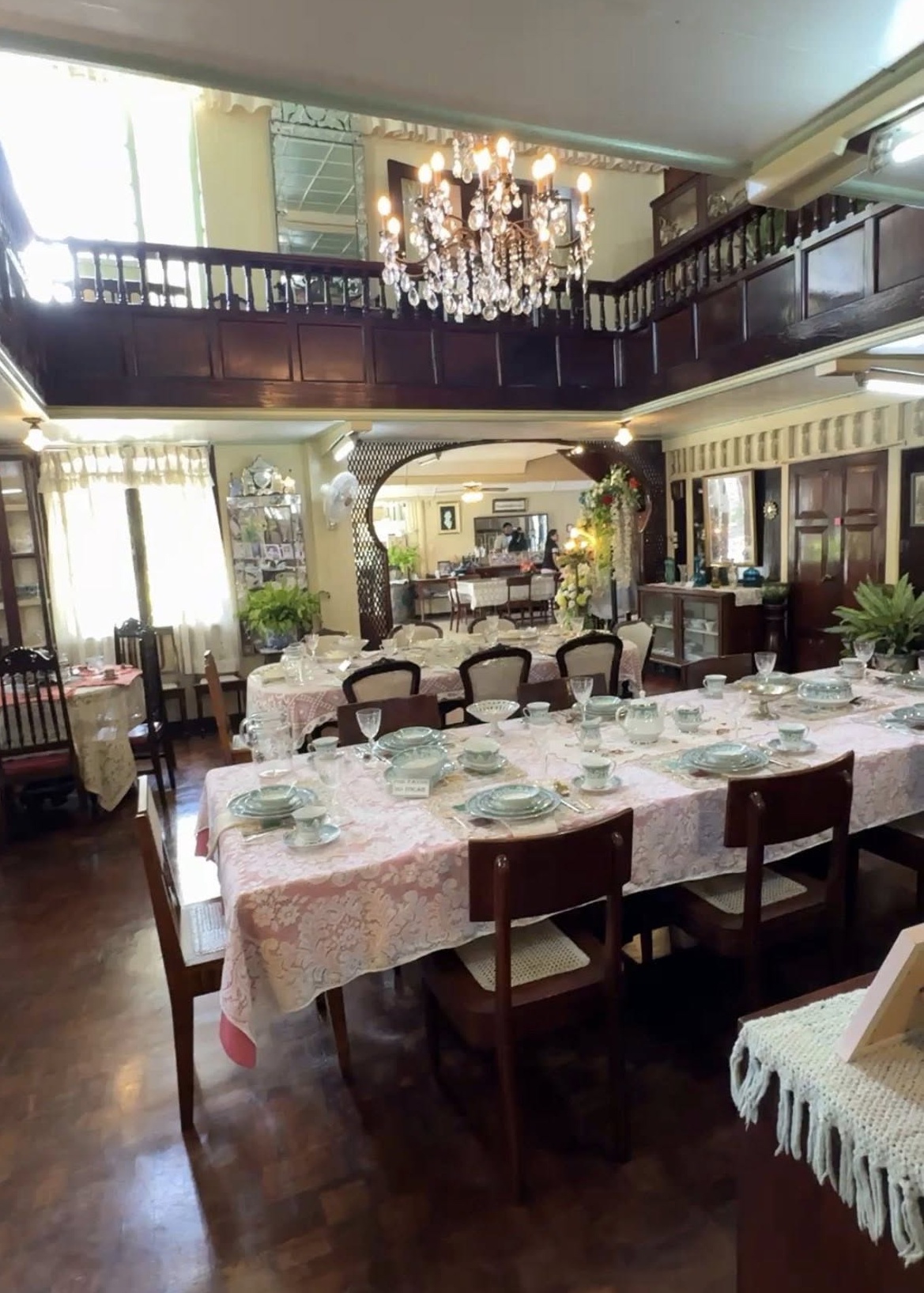
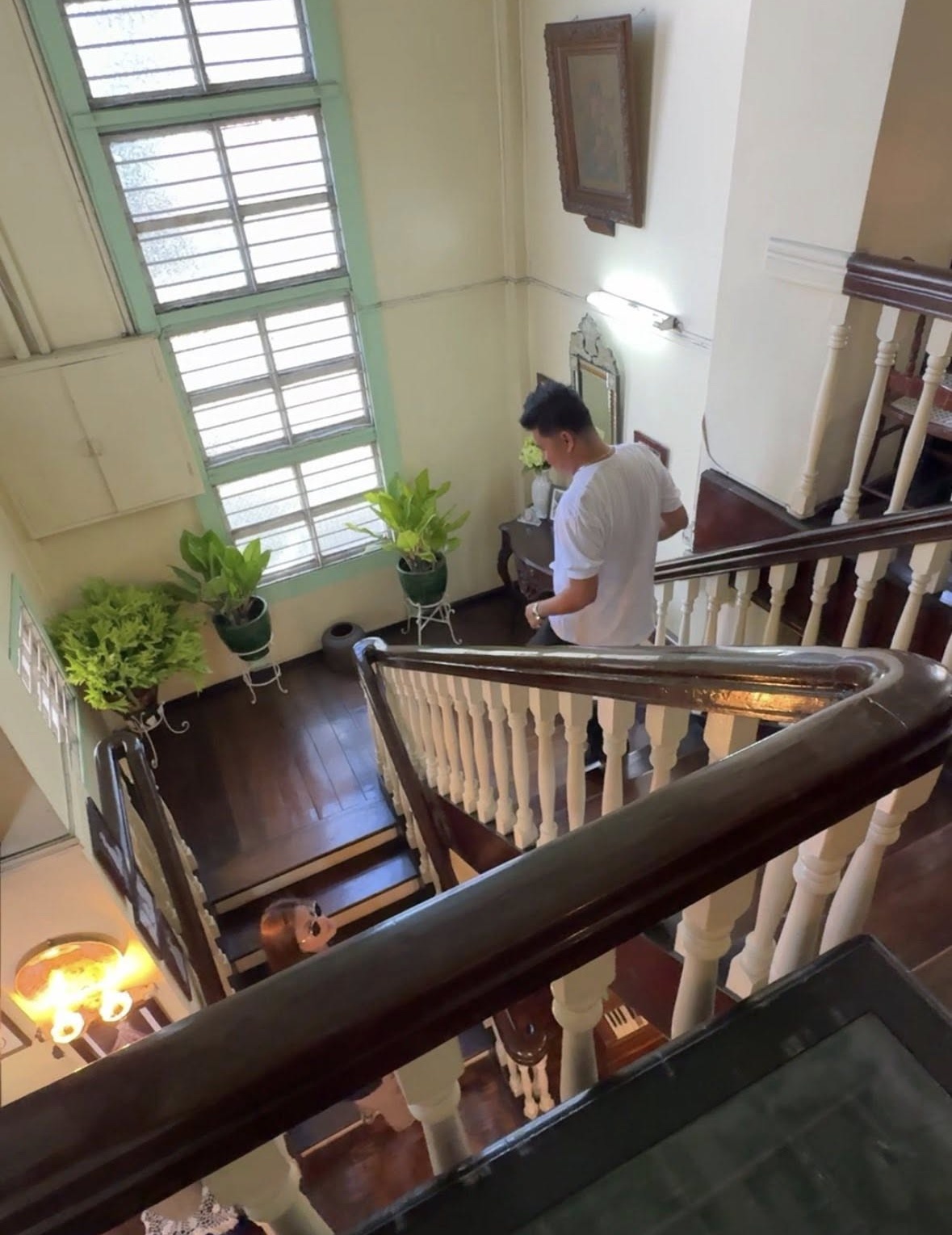
Inside the home, these architectural details remain beautifully preserved.
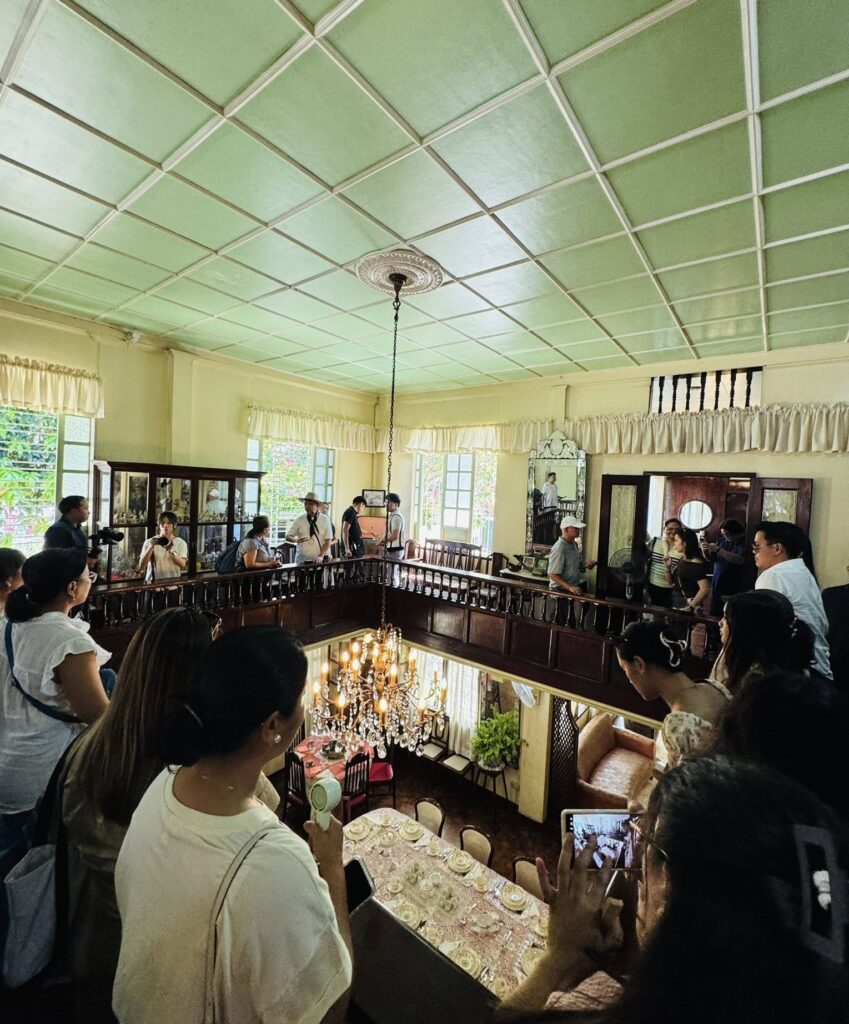
Wide wooden staircases, antique furnishings, ventanillas, hardwood floors, soaring ceilings, and capiz windows transport visitors back to a time when Jaro was among the wealthiest districts in the Philippines during Iloilo’s sugar boom years.
But more than the architecture, it is the stories inside the house that leave a lasting impression.
Displayed throughout the ancestral home are old photographs of the famed Jaro Fiesta Queens, then known as the Jaro Charity Fair Queens — women who symbolized the prestige, beauty, and sophistication of old Jaro society during lavish fiestas and charity celebrations.
Participants of the tour learned that Casa Javelona-Ledesma itself once hosted grand meals and elegant gatherings for the fiesta queens during Jaro festivities, making the ancestral house an important social venue during the district’s golden era.
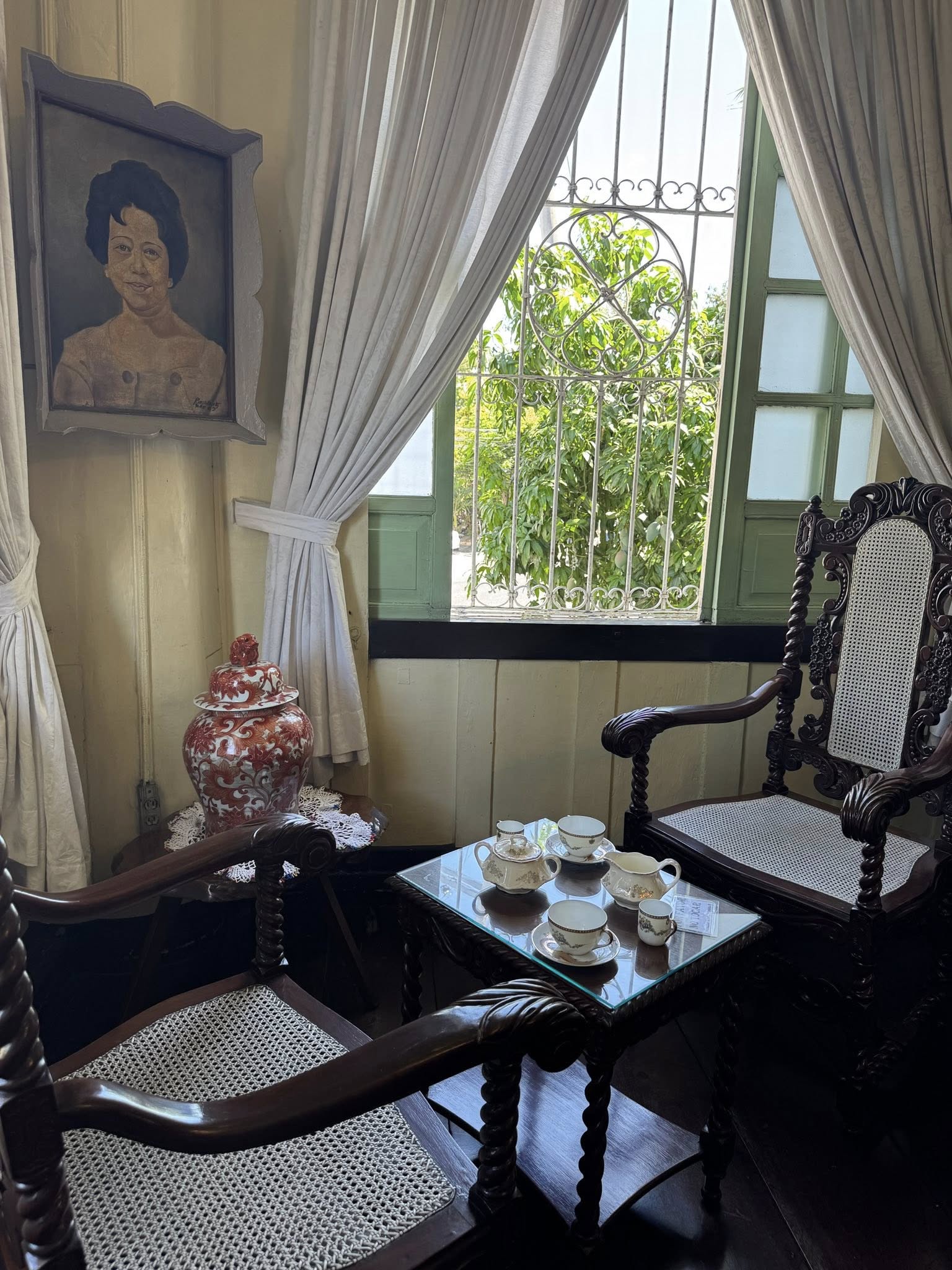
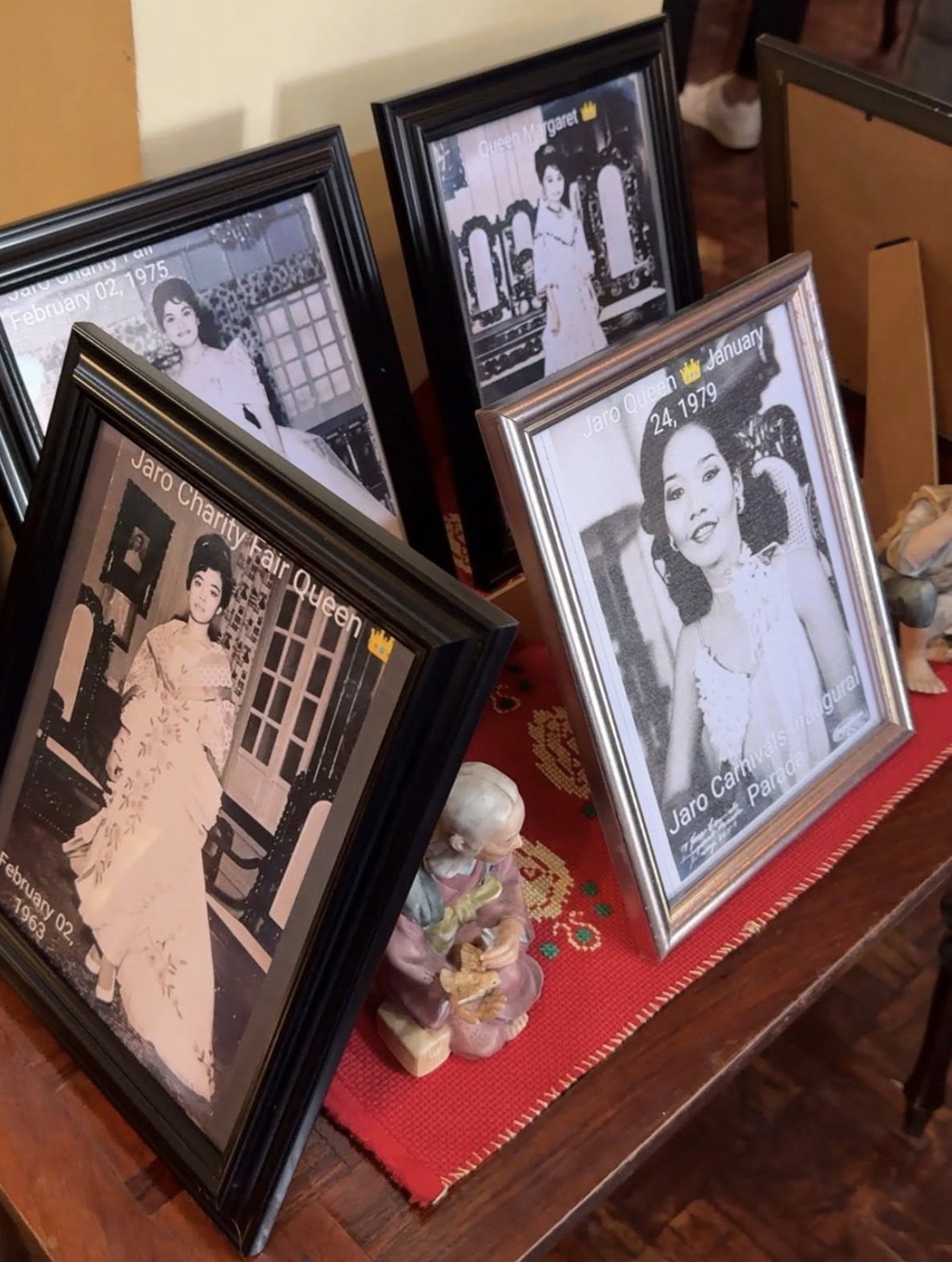
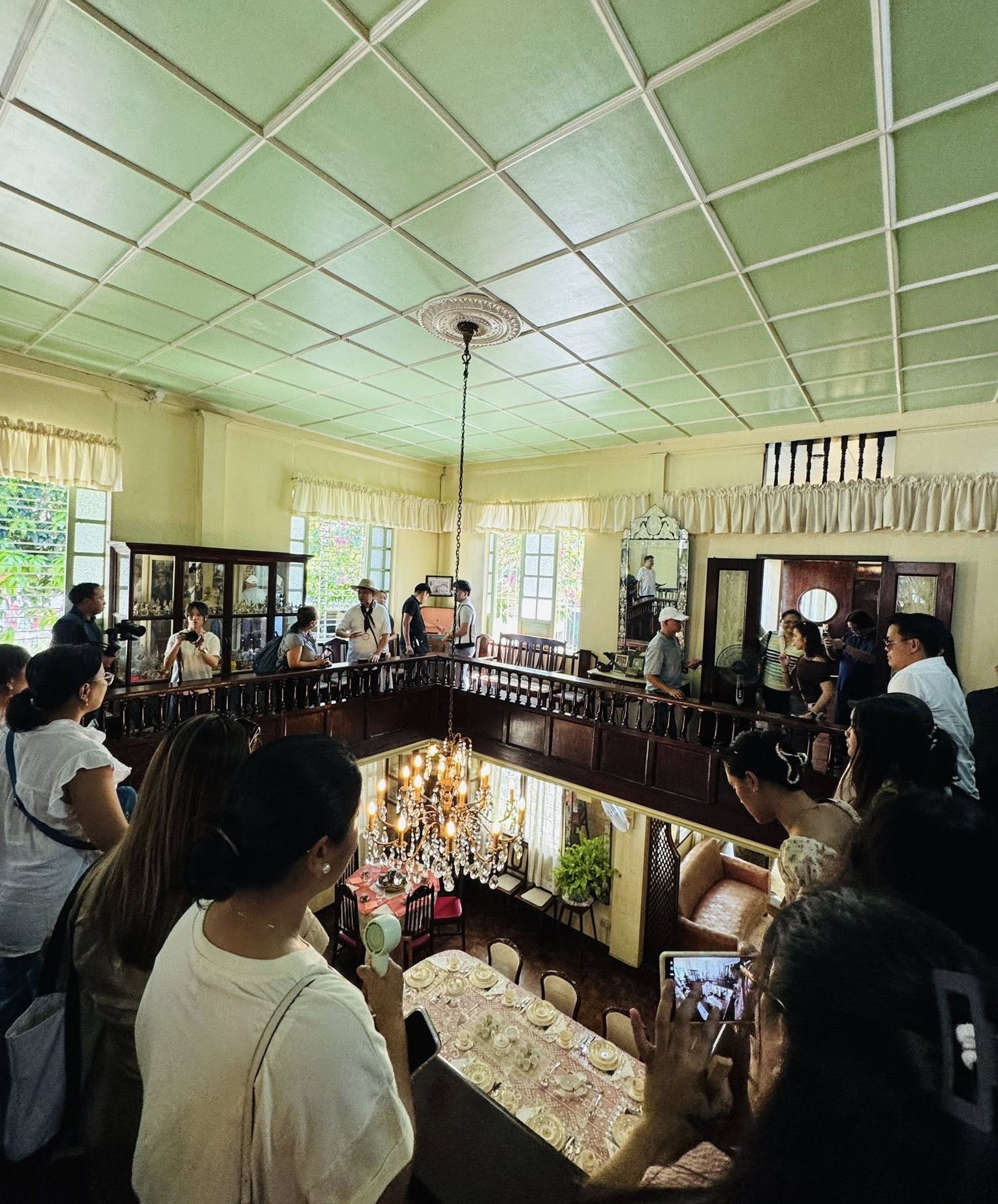
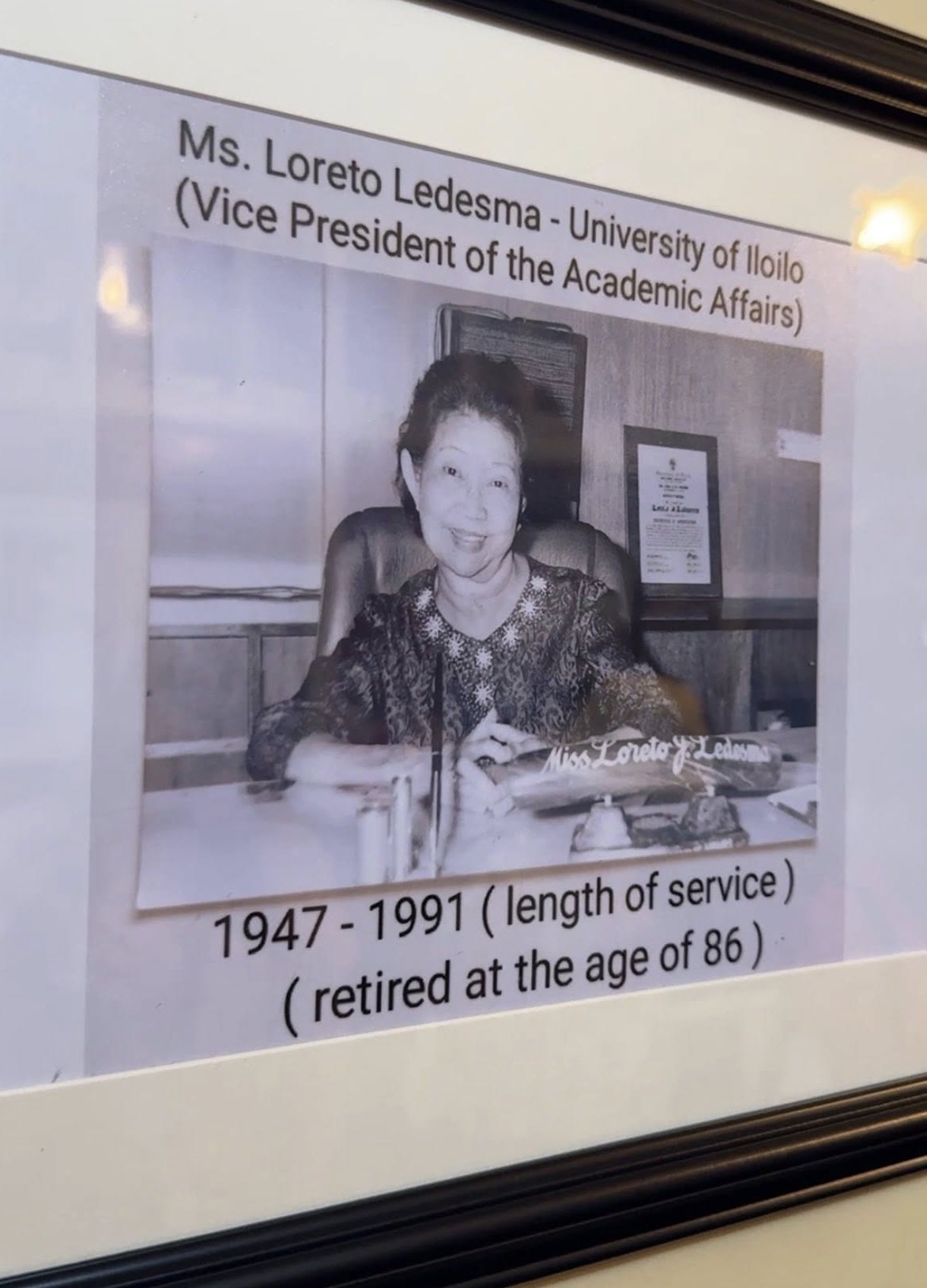
The portraits lining the walls offered a glimpse into a vibrant chapter of Iloilo’s history — one shaped by influential families, religious traditions, and grand celebrations.
Among the displayed photographs was an image of the prominent couple Fernando Lopez and Mariquit Javellana Lopez of Casa Mariquit. Participants also learned that Fernando Lopez was a cousin of the Ledesma sisters, highlighting the interconnected ties among Iloilo’s prominent families during that period.
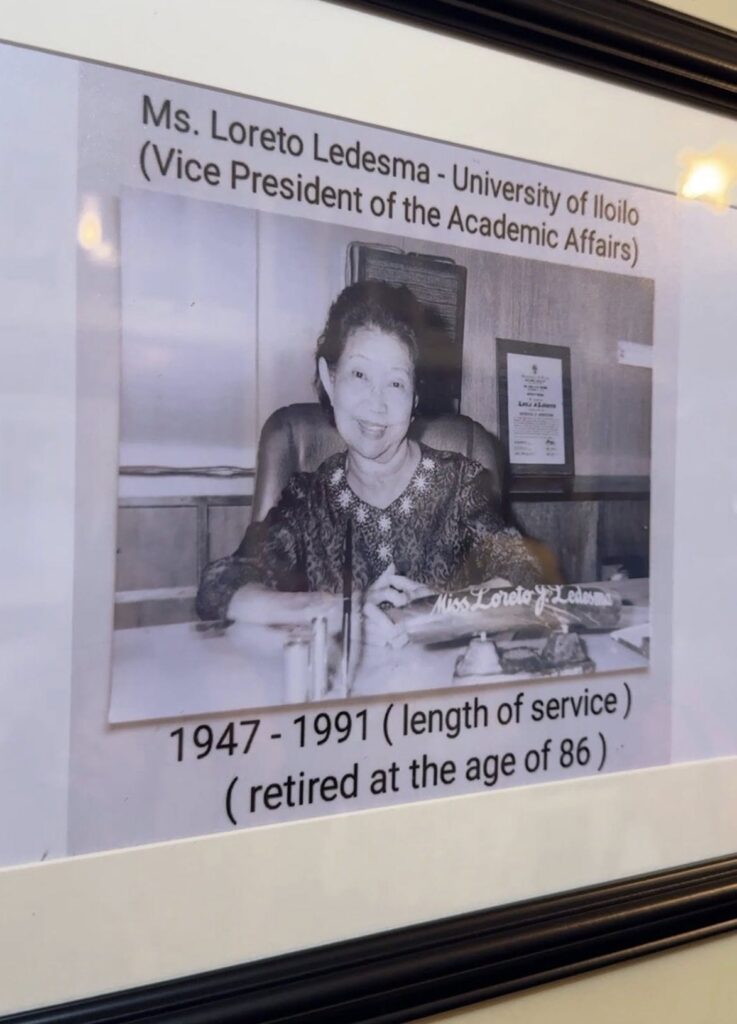
The house is also closely associated with Loreto Ledesma, the youngest of the five daughters of Luis Villalobos Ledesma and Rosario Lopez Javelona of Jaro.
Born on Dec. 31, 1905, Loreto became the salutatorian of the Iloilo High School Class of 1925 and later served as the Administrative Officer of the University of Iloilo. She passed away on July 6, 1991.
The visit to Casa Javelona-Ledesma formed part of the immersive Living Heritage Museum Tour – Spanish Era, an experiential cultural journey designed to bring Iloilo City’s history to life.
The tour began at Plaza Libertad before participants boarded a rolling heritage tour passing historic landmarks including Muelle Loney and Delgado Street en route to Baluarte for the first stop at the Rosendo Mejica Museum.
The group later traveled to Villa Arevalo for a tour and themed buffet lunch at Avanceña-Camiña Balay nga Bato, celebrating Iloilo’s identity as the country’s first and only UNESCO Creative City of Gastronomy through Spanish-era inspired Ilonggo dishes.
In the afternoon, participants explored Jaro’s heritage homes including Casa Javelona-Ledesma and Casa Mariquit before concluding the tour at the historic Ynchausti y Compañia Building in City Proper.
There, guests enjoyed a themed dinner by LaMeza Ilonggo featuring Spanish-Filipino dishes accompanied by live harana serenades and interactive theater performances.
Participants also embraced Iloilo’s legacy as the country’s Textile Capital by wearing period-inspired attire and joining interactive costume photo sessions throughout the day.
More than simply preserving an old structure, Casa Javelona-Ledesma continues to preserve memories, stories, and traditions that shaped Iloilo through generations.
And for those who entered its doors last Saturday, the ancestral house proved that heritage is not only something to be remembered — it is something that can still be experienced.